
Why Park Zoning Matters for Visitors
When you're planning a hike in one of the four Czech national parks — Krkonošský, Šumavský, Podyjí, or České Švýcarsko — you're not just stepping onto a trail. You're entering a carefully managed ecosystem where different areas have different rules. The zones aren't arbitrary. They're there because some parts of the park need protection more than others.
Think of it this way: some areas can handle hundreds of hikers a day. Others can't. A fragile meadow full of rare wildflowers? That needs strict protection. A well-maintained tourist trail? That's built for regular foot traffic. When you understand the zoning system, you're not just following rules — you're actually helping preserve the park for everyone else.
Core Zones and Their Purpose
Core zones are the strictest areas. You won't see many people here — and that's intentional. These zones protect the most sensitive habitats: breeding grounds for endangered birds, rare alpine plants, geological formations that are scientifically important. In most cases, you can't hike through core zones at all. They're off-limits.
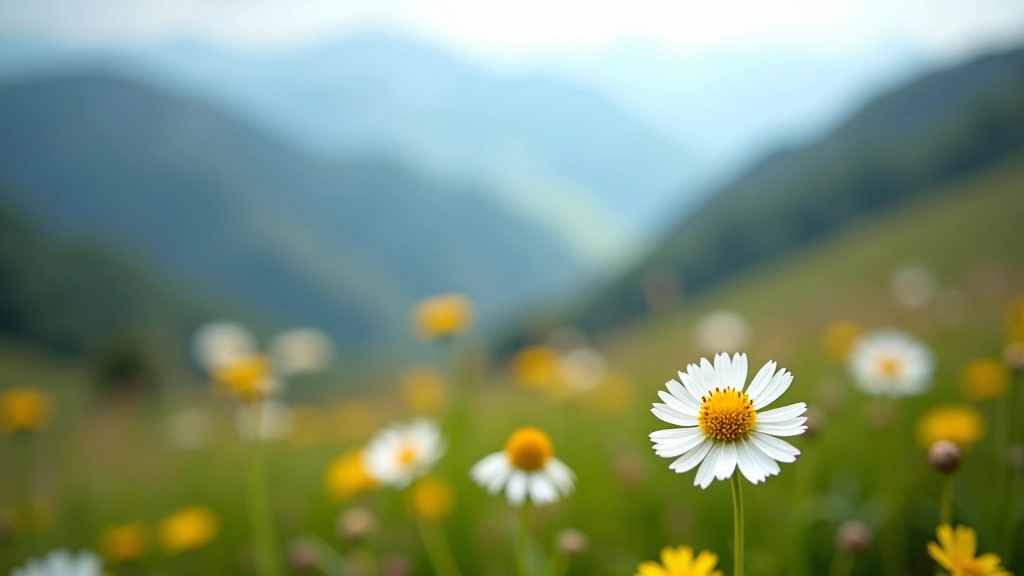
In Krkonošský National Park, the core zones include the alpine meadows above 1,250 meters. These areas support Arctic plants that exist nowhere else in the Czech Republic. A single person walking off the marked path can damage these ecosystems for years. That's why access is restricted to designated trails only — and sometimes not at all during sensitive seasons like spring and early summer when plants are flowering.
- No off-trail hiking allowed
- Limited seasonal access (often April-June closed)
- Small group sizes only
- Mandatory guided tours in some areas
Important: Core zones aren't marked as clearly as other areas. Check the official park map before you go — don't assume a trail is open just because you can see it. Park information centers have detailed zone maps, and they're free.
Buffer Zones: The Transition Areas
Buffer zones sit between core zones and public recreation areas. They're semi-protected. You can hike here, but with restrictions. The idea is simple: create a cushion that protects the most sensitive areas while still allowing reasonable public access.
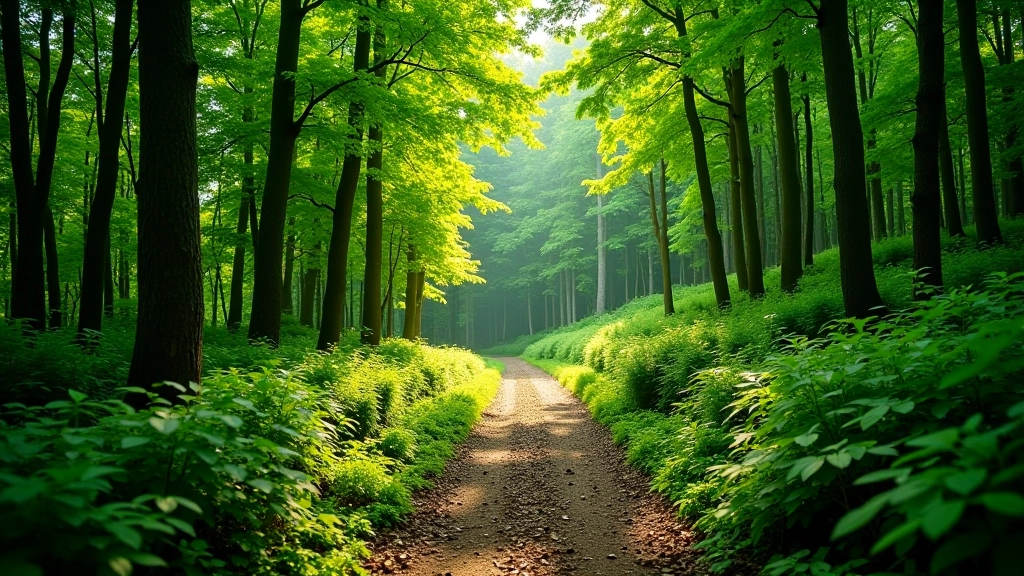
In practice, this means you'll see marked trails in buffer zones, but they're usually narrower than main trails, and you won't see benches or picnic areas. The focus is on minimal impact. You're welcome to walk through, but you're also expected to respect the environment more carefully than you would on a heavily-used path.
Rules That Actually Apply
Buffer zones have their own set of guidelines. You'll stay on marked trails — this isn't a suggestion, it's a requirement. No picking flowers or plants. No loud noise or groups larger than 15 people without special permission. Dogs are usually allowed but must be on leash.
These restrictions exist because even "light" human activity adds up. When 200 people a day take small shortcuts, they create new paths that damage the vegetation. When groups are loud, they scare away nesting birds. Buffer zones work because visitors follow the rules consistently.
This guide provides educational information about Czech national park zoning systems based on current management practices. Park regulations can change, and specific restrictions vary by season and park management decisions. Always check with local visitor centers or official park websites for the most current zoning maps and access information before your visit. Park staff can provide detailed guidance for your specific route and travel dates.
Recreation Zones: Where Most Hikers Go
Recreation zones are what most people think of as "the park." These are the main tourist areas with well-maintained trails, clear signage, and often facilities like shelters, water sources, and parking. They're designed to handle high visitor traffic. You'll see the red, blue, and green blazes of the Czech coloured blaze system here — these mark the established routes.
Here's what's different about recreation zones: they're actively managed for heavy use. The trails are reinforced, often with steps or gravel. There's usually a visitor information office nearby. You might find benches, picnic tables, or shelters. These areas can feel quite busy, especially on weekends during summer.
What You Can Do Here
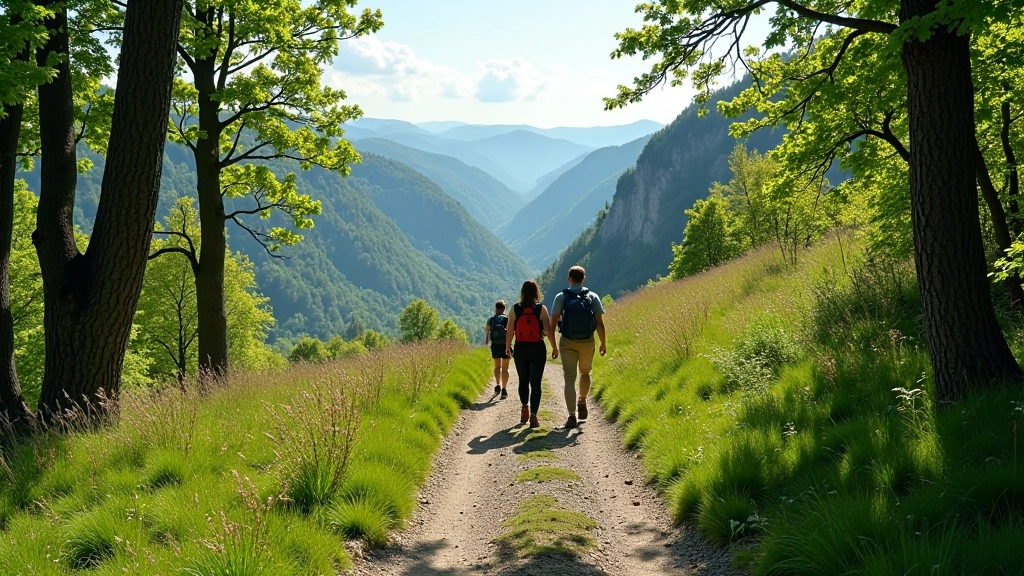
Recreation zones are actually pretty flexible. You can hike off the main marked trails if there's a visible secondary trail — but stay on established paths. Picnicking is fine. Photography and nature observation are encouraged. Groups can be larger. Dogs are allowed. You've got genuine freedom here because the area's designed to absorb this activity.
The Prahla Valley in Podyjí National Park is a great example. It's a recreation zone with multiple trail options, river access, and plenty of places to stop and rest. Even on busy days, it doesn't feel crowded because the trails are well-designed and the zone is large enough to distribute visitors.
Practical Zoning Guide for Your Visit
So how do you actually figure out which zone you're in? Here's the real answer: the official park maps show all the zones with different colors or patterns. Red zones are usually recreation areas. Yellow or orange are buffers. Green or dark patterns are core zones. But colors vary by park, so don't guess.
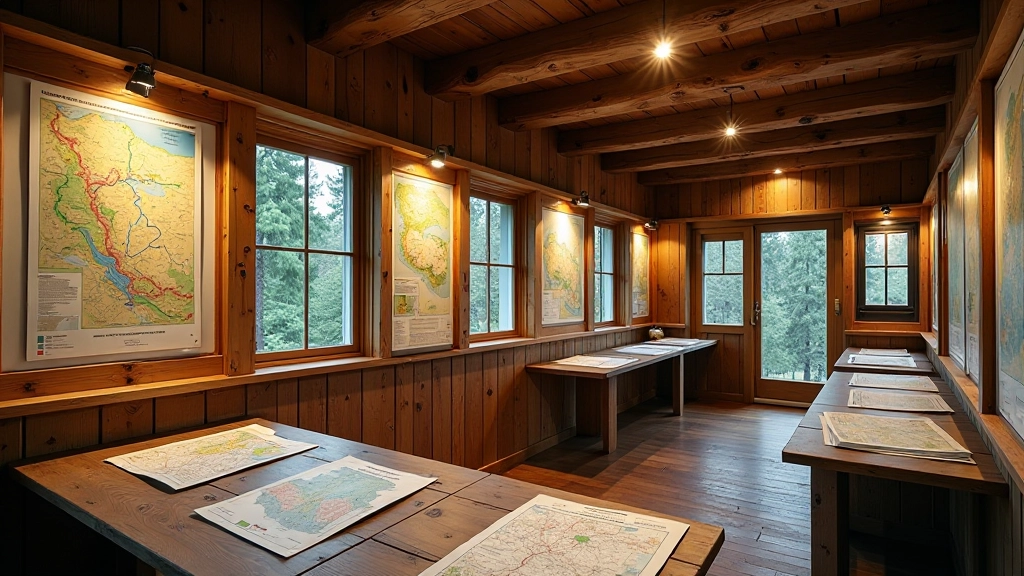
The smartest move is to get a physical map from a park information center before you start hiking. These maps are free, they're accurate, and staff can explain any zones you're uncertain about. Plus, they often include seasonal closures and current conditions — information that online maps sometimes miss.
Before You Hike
- Stop at a visitor center: Pick up the official zoning map. It takes 5 minutes and saves confusion later.
- Mark your route: Identify which zones you'll pass through. If you're hitting a core zone, check if access is open.
- Check seasonal closures: Some areas close April-June for nesting season. Staff will tell you.
- Ask about group size: If you're with a larger group, confirm that your route allows it.
- Bring the physical map: Don't rely on your phone's battery for navigation.
The Real Impact of Following Zoning Rules
Here's what happens when zoning systems work: rare plants actually survive. Bird populations recover. Soil erosion stops. Visitors have better experiences because trails aren't overcrowded and degraded. These aren't abstract environmental benefits — they're real things you notice when you hike.
Compare a well-protected core zone that reopens after a season of closure to one that gets constant pressure. The difference is obvious. Vegetation recovers. The landscape looks healthier. That's not accident — that's zoning working exactly as it's supposed to.
Key Takeaways
Core zones are strictly protected. Hiking is restricted or prohibited. These areas protect the most sensitive habitats.
Buffer zones allow marked trails only. You can hike but with minimal-impact guidelines. Stay on the path.
Recreation zones are designed for heavy use. Standard trail rules apply. Most popular hikes are here.
Get a map from a visitor center before hiking. Zoning colors vary by park. Don't guess.