
Torvallen Logo Torvallen Plan Your Trip
Plan Your Trip

Understanding the Czech Coloured Blaze System

The traditional blaze system uses red, blue, and green marks to indicate different trail difficulty levels and lengths. Learn what each color means before you hike.

7 min read Beginner April 2026
Colorful hiking trail markers painted on rocky mountain path with forested slopes and mountains visible in background

What Are Trail Blazes?

Walking through Czech forests without blazes would be confusing. You'd end up on game trails, dead ends, and unmarked paths that lead nowhere. That's where the blaze system comes in. It's been used here for decades — simple painted marks on trees and rocks that tell you exactly where to go.

The system isn't complicated. It's actually pretty straightforward once you understand the color coding. Red means one thing, blue means another, and green means something entirely different. You'll see them on everything — tree trunks, large rocks, fence posts, even painted on the ground in places where trees are sparse.

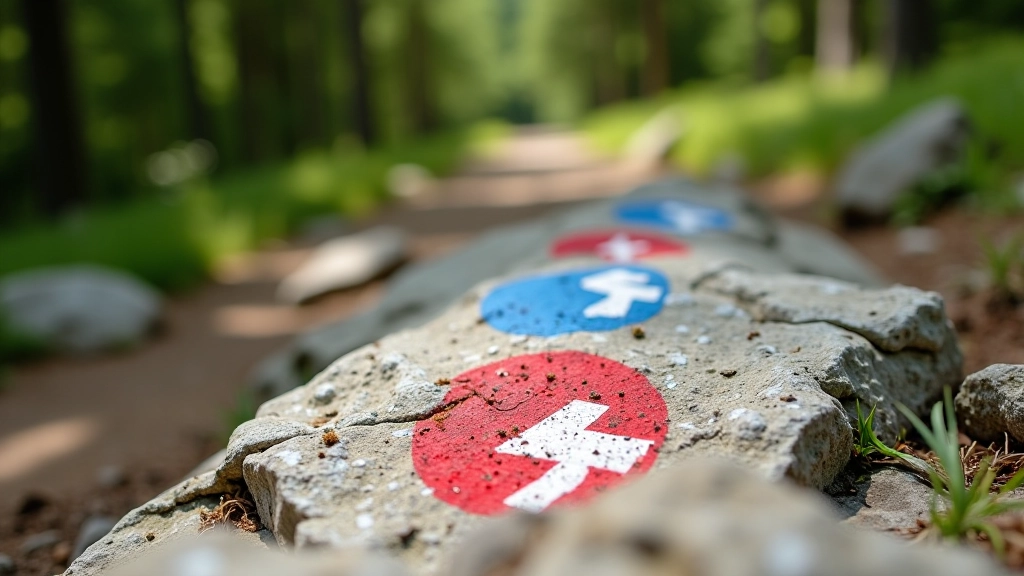
Close-up view of red, blue, and white painted trail markers on tree bark showing different blaze patterns and maintenance conditions

The Color Codes Explained

Czech trails follow a simple three-color system, and once you know it, navigation becomes intuitive. You won't get lost if you're paying attention to the colors.

Red Blazes

Main trails connecting major destinations. These are the highways of the hiking network — well-maintained, clearly marked, and usually the most direct routes between towns or peaks. You'll see red blazes on popular routes in all four national parks.

Blue Blazes

Connecting routes that link red trails together. Blue trails are the secondary network. They're still properly maintained but might be slightly less busy. Perfect for making loops or connecting different regions without always using main trails.

Green Blazes

Local trails and short walks, often around villages and attractions. Green routes are typically shorter, easier walks. They're ideal if you've got limited time or want a gentle stroll. Many green trails start right from town centers or parking areas.

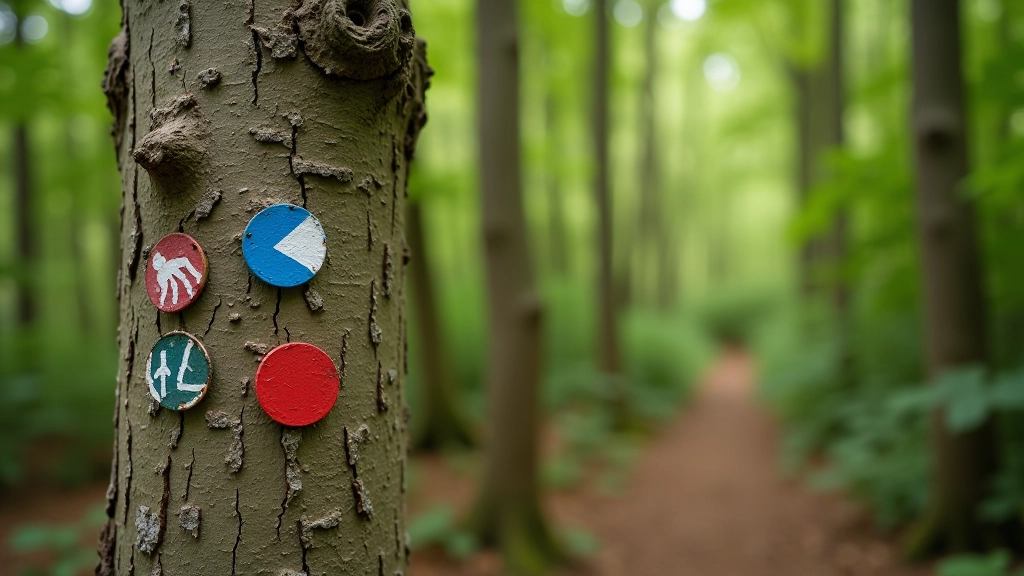
Detailed diagram showing all three Czech blaze colors on forest path with clear trail markings visible from hiker perspective

Important Note: While the blaze system is reliable, always bring a printed map from a visitor information center as a backup. Weather, fallen branches, and seasonal growth can occasionally obscure blazes. In fog or heavy rain, markers can be harder to spot. Carrying both blazes and a map ensures you're never completely lost.

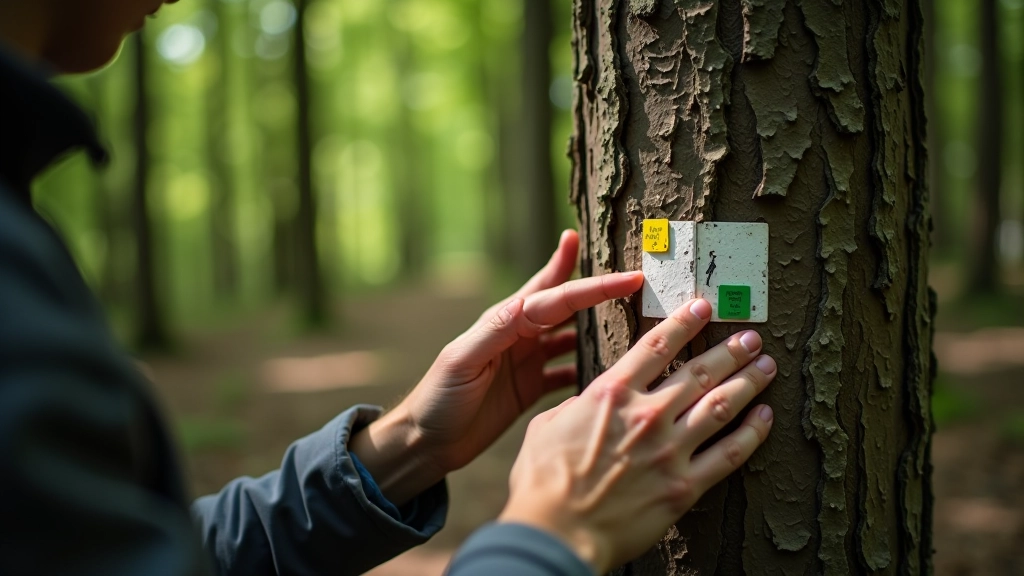
Hiker examining painted trail marker on forest tree, demonstrating how to properly identify and follow blaze marks

How to Read the Blazes

Actually spotting the blazes takes a bit of practice, but it's not rocket science. You're looking for rectangular painted marks — typically about 10 by 20 centimeters. They're usually painted directly on tree trunks at roughly eye level, though in open areas you'll find them on rocks or fence posts.

When you're on a trail, keep your eyes moving. Look ahead 20-30 meters for the next blaze. Once you spot one, walk toward it. You should always be able to see at least one blaze from where you're standing. If you can't see a blaze for more than a minute, you've probably wandered off the trail.

Some trails use additional markings. You might see white blazes used as directional markers alongside the main color — a white blaze above a red one means "turn here." Double blazes (two marks stacked vertically) usually indicate a change of direction coming up.

Practical Tips for Following Blazes

1

Look Back Regularly

Blazes look different from behind. Turn around occasionally and confirm you can see the blaze you just passed. This helps you stay oriented and catch mistakes early.

2

Check Color Consistency

You're following red? Keep seeing red. If the color suddenly changes to blue without an obvious junction, you might've missed a turn. Don't assume the colors will shift gradually.

3

Trust the Paint

If a blaze seems to go through thick brush or an awkward spot, follow it anyway. The trail designers knew what they were doing. The "obvious" path isn't always the right one.

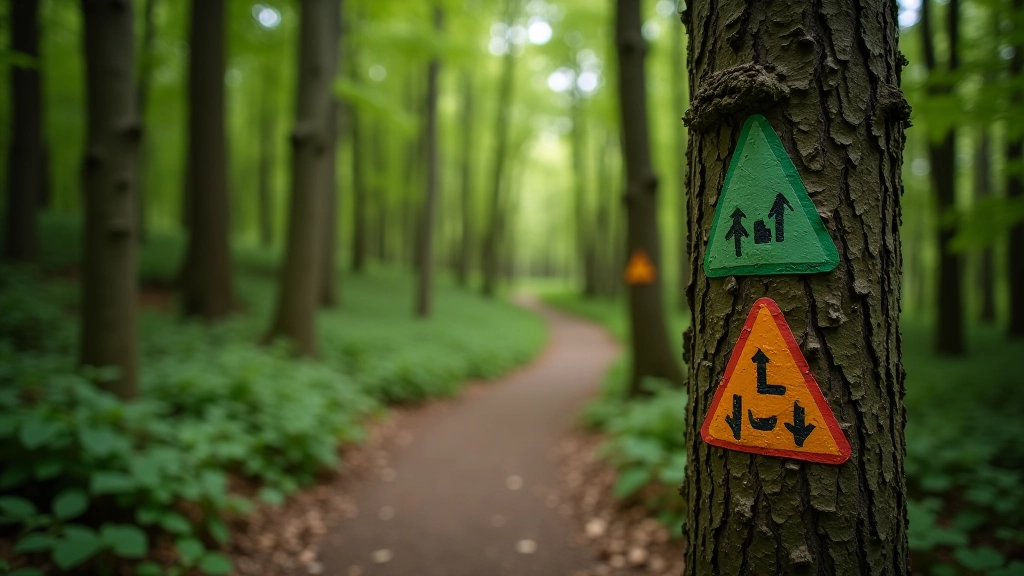
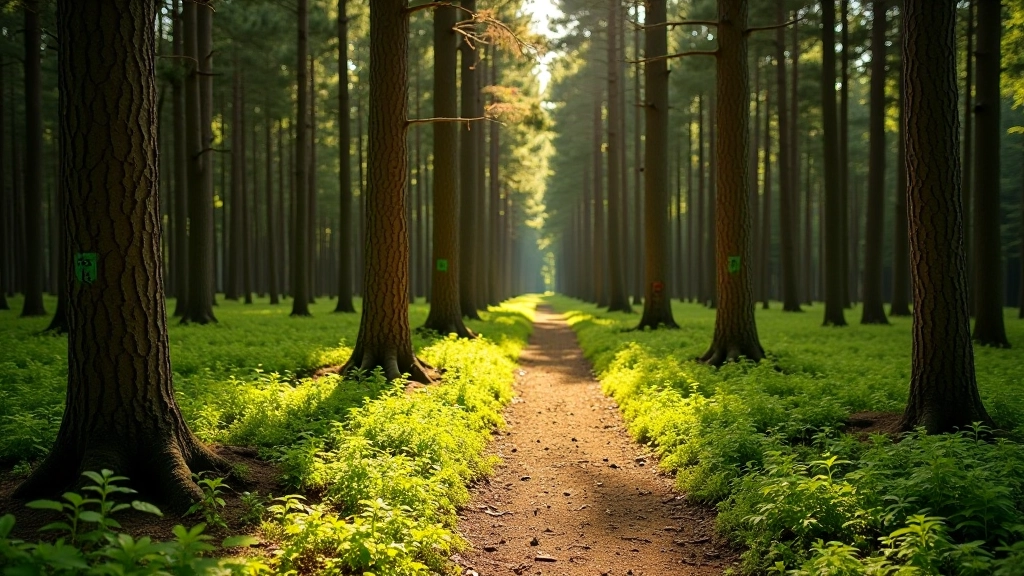
Panoramic view of forested hiking trail with multiple blazes visible on trees leading into the distance showing clear trail corridor

Blazes Across Czech National Parks

All four Czech national parks use the same blaze system. That's the beauty of it — once you understand the colors, you can hike anywhere in the country with confidence.

Krkonošský uses the system extensively across its alpine sections. Šumavský has extensive networks with clear markings through dense forests. Podyjí relies on blazes along its river valley routes. České Švýcarsko's canyon trails are well-marked for safe navigation through narrow passages.

Visitor information centers at each park entrance provide free printed maps showing all the trails by color. These maps are invaluable. They show you the full network, estimated walking times, and elevation profiles. Pair the maps with the blazes on the ground and you've got a foolproof navigation system.

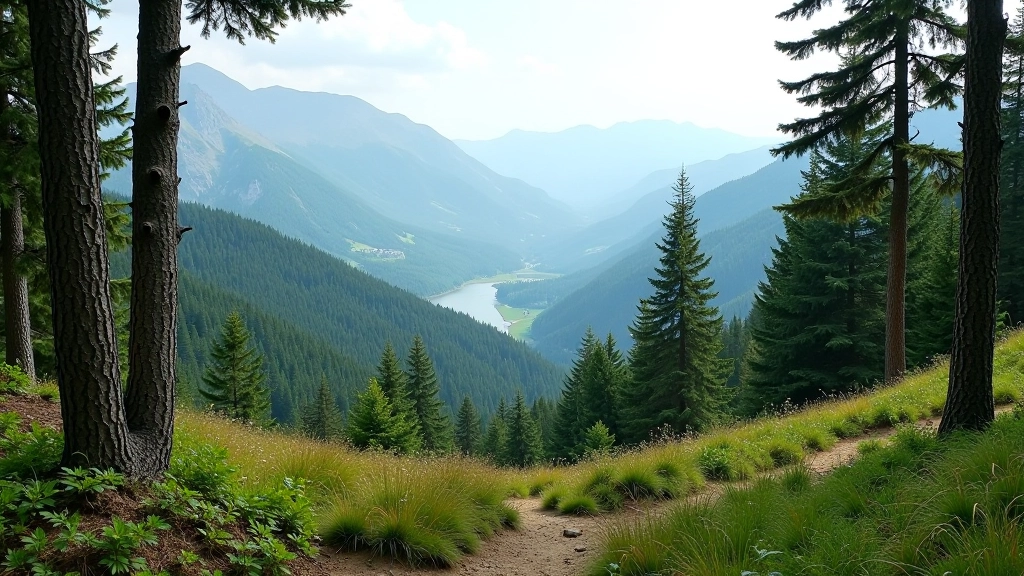
Mountain landscape showing multiple hiking trails with visible blaze markers across forested valleys and slopes with distant peaks