
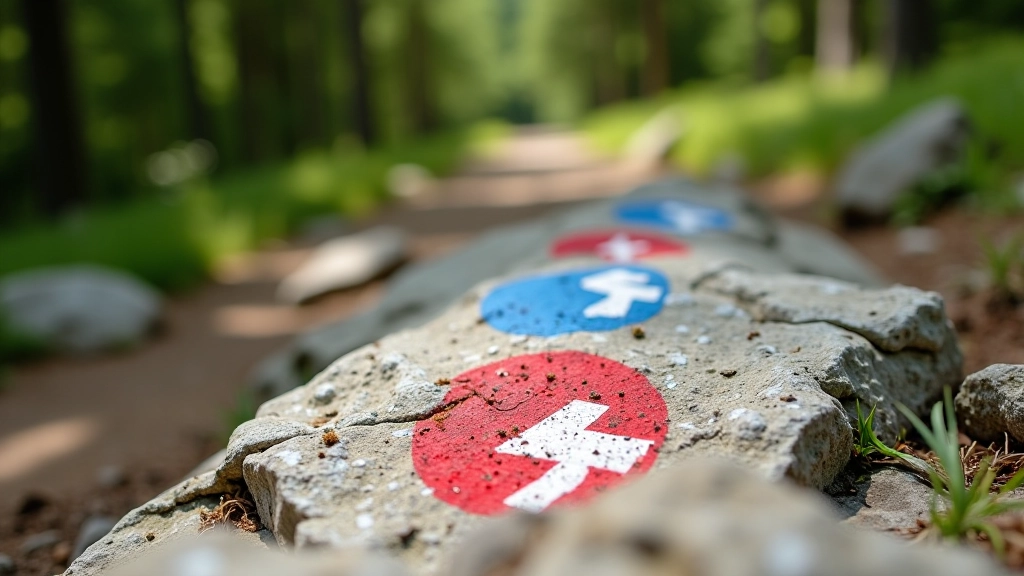
Understanding the Czech Coloured Blaze System
The traditional blaze system uses red, blue, and green marks to indicate different trail difficulty levels and lengths. Learn what each color means before you hike.
Read MoreExplore Krkonošský, Šumavský, Podyjí, and České Švýcarsko with complete visitor guides and trail information
Discover detailed information about trails, visitor centers, and planning your visits
The traditional blaze system uses red, blue, and green marks to indicate different trail difficulty levels and lengths. Learn what each color means before you hike.
Read More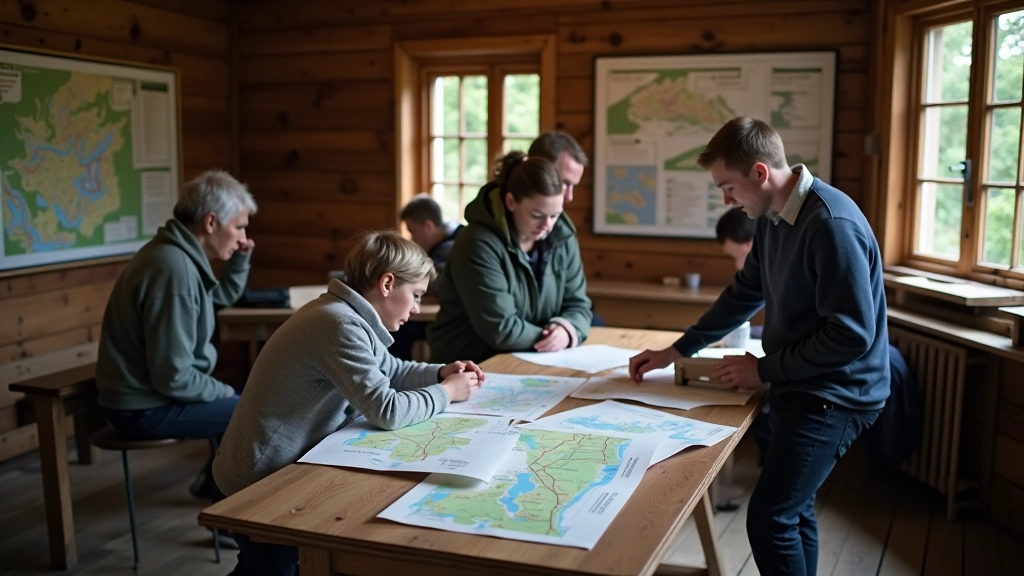
Every national park has free visitor centers offering detailed maps, local flora and fauna guides, and expert advice. Here's what to expect and how to use them effectively.
Read More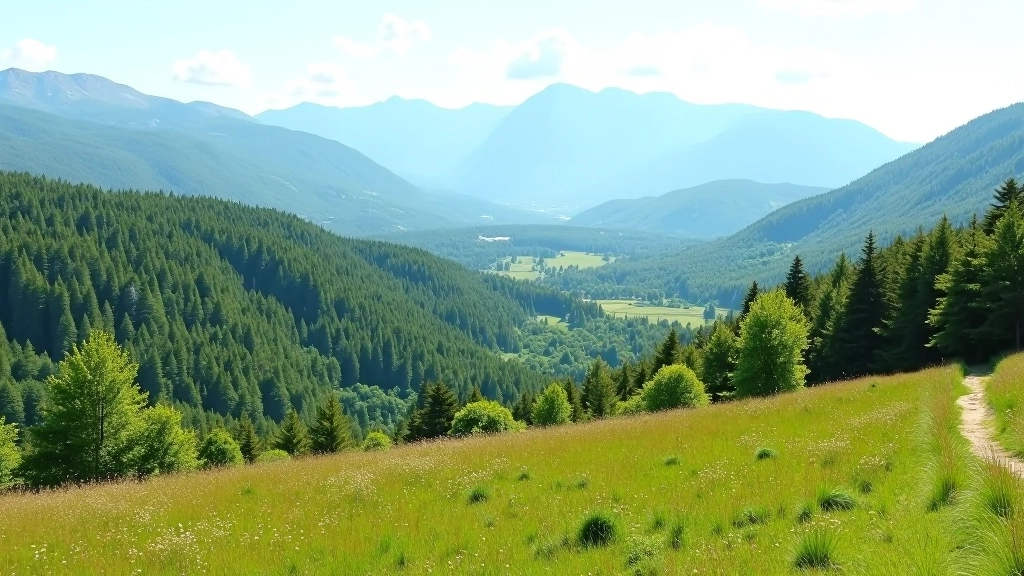
Understanding zone classifications helps you plan sustainable visits. We explain core zones, buffer areas, and where you're allowed to hike without disturbing protected habitats.
Read More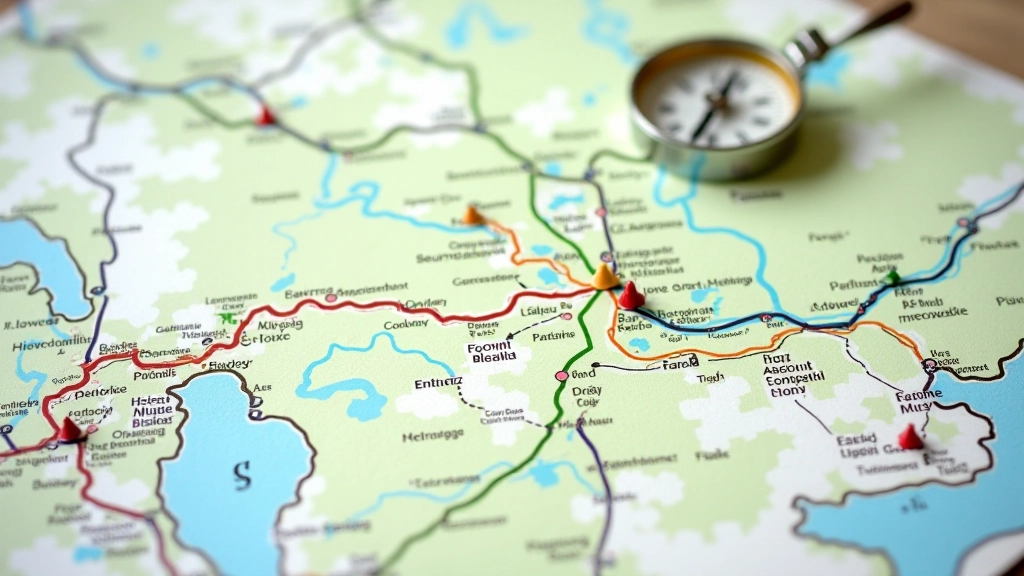
Connect Krkonošský, Šumavský, Podyjí, and České Švýcarsko with nearby castle towns. We've created sample 2-3 day routes that balance hiking with cultural exploration.
Read MoreBefore you head out, make sure you've covered these essentials
Visit park information centers or get maps online. Don't rely on phone GPS alone — coverage can be spotty in mountain areas.
Some zones are closed seasonally for breeding or maintenance. Call ahead or check the park website for current restrictions and visitor center hours.
Czech terrain is rocky and can get muddy. Good ankle support prevents injuries on steep mountain trails. Bring spare socks too.
Stay on marked trails, don't pick plants, and keep noise low. You're in protected habitat — wildlife benefits when visitors follow the rules.
Mountain streams aren't always nearby. Carry at least 1.5 liters, especially on longer routes. Water fountains are rare in remote areas.
Mountain weather changes fast. Pack a rain jacket and extra layer even if it looks clear. Temperatures drop quickly at higher elevations.